
In today’s world, where technology offers quick solutions to complex problems, the allure of a Fake DNA paternity test can be irresistible. However, not all tests are created equal, and the rise of fake DNA paternity tests has the potential to help or hinder families and relationships. In this article, we delve into the intricate web of surrounding fake DNA tests, exploring the realities of them and what to look for when choosing a company offering a Fake DNA Paternity Test. Join us as we unmask the truth behind these fake DNA tests and provide clarity to ensure that when it comes to one of life’s most critical questions, you’re choosing a path grounded in accuracy and integrity.
Understanding DNA Paternity Testing
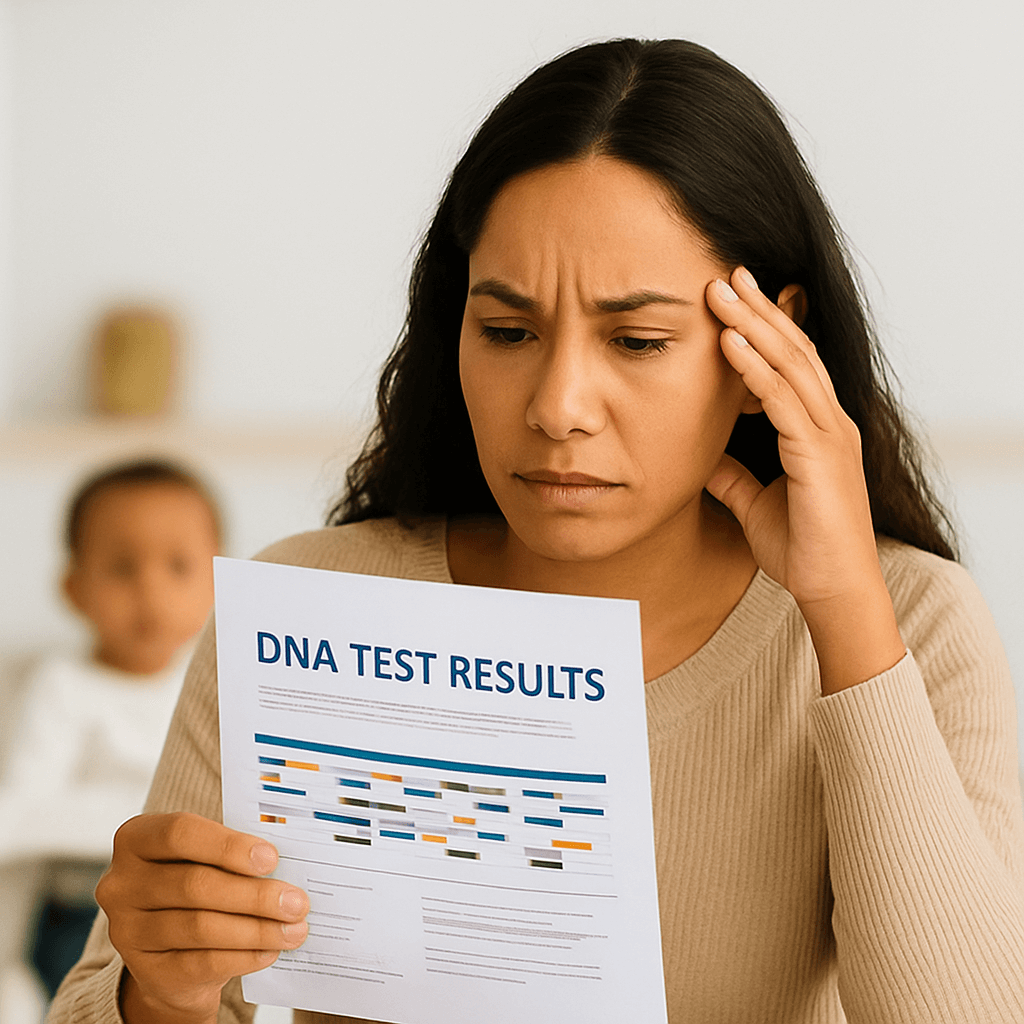
DNA paternity testing has become a cornerstone of modern science, offering a definitive answer to the question of biological parentage. This powerful tool analyzes genetic markers from the alleged father and the child to determine a biological relationship with remarkable accuracy. Typically, the process involves collecting DNA samples via cheek swabs, which are then analyzed in a laboratory setting. This method boasts a 99.99% accuracy rate when confirming paternity and a 100% accuracy rate when excluding a non-biological father. The reliability of these tests has revolutionized the way legal and personal disputes regarding paternity are resolved.
The primary appeal of DNA paternity testing lies in its scientific precision. Unlike older methods, such as blood type comparisons or physical resemblance assessments, DNA testing provides concrete, irrefutable evidence. This has far-reaching implications, not only in legal proceedings, such as child support or custody battles, but also in personal scenarios where individuals seek the truth about their biological connections. The clarity provided by these tests can be life-changing, bringing closure to long-standing doubts or disputes.
However, the accuracy and reliability of DNA paternity tests depend heavily on the integrity of the testing process. Laboratories must adhere to strict protocols to avoid contamination or errors. Furthermore, the legitimacy of the testing service plays a crucial role. As the demand for paternity testing grows, so does the market for fraudulent services, which prey on individuals’ vulnerabilities and desires for quick answers. It is essential to understand the different types of DNA paternity tests available and the potential pitfalls that can accompany unverified testing options.
The Rise of the Fake DNA Paternity Test
In recent years, the proliferation of the fake DNA paternity test has become an increasingly useful service. As the internet has made it easier to access various services, entities have entered the market, offering authenticated testing solutions. These fake tests promise fast results at a fraction of the cost of legitimate services, making them an attractive option for individuals seeking quick answers. However, these services need to be used with caution.
One of the primary drivers behind the rise of fake DNA tests is the exploitation of emotional and emotive situations. People seeking paternity tests are often in sensitive and stressful situations. The promise of a simple, quick, and cheap solution can really assist individuals in solving their stresses. As a result, many individuals use these services, which ensure that they are as authentic as a real test and stand up to scrutiny.
Common Methods Used in Fake DNA Testing
Fake DNA testing companies employ a range of tactics to offer their services to customers. One common method is the use of counterfeit laboratory reports. These reports originate from official labs, and are complete with company logos and professional formatting, but they contain user-created data. Unsuspecting individuals may receive these reports and accept them as legitimate, unaware that the results have been fabricated.
Implications of Using Fake DNA Tests
The use of fake DNA tests can have serious implications, particularly in cases involving child custody, support, and inheritance disputes. Courts rely on accurate DNA evidence to make informed decisions, and the submission of falsified or inaccurate test results can lead to miscarriages of justice. When fake tests are used in legal proceedings, a court will only admit a legal DNA test. This is a test that has been carried out by a certified technician, with the samples collected by them directly. At-home DNA testing cannot be used in any legal proceedings. This is the same when you order our Fake DNA Paternity Test.
Real-Life Consequences of Relying on Fake DNA Tests
The real-life consequences of relying on fake DNA tests can be devastating and far-reaching. One notable consequence is the potential for wrongful paternity claims. When individuals act on false test results, they may pursue or contest paternity claims based on inaccurate information. This can lead to unjust financial obligations, such as child support payments, or the denial of rightful parental rights. The legal and financial ramifications can be extensive and difficult to rectify.
Another significant consequence is the emotional fallout within families. The discovery of fake DNA test results can shatter trust and relationships, leading to long-term emotional and psychological distress. For children, the realization that their understanding of their parentage is based on falsehoods can be particularly traumatic. The sense of betrayal and confusion can impact their mental health and their relationships with both parents.
Moreover, the use of fake DNA tests can undermine the credibility of legitimate testing services and the judicial process. The erosion of trust in DNA testing can lead to skepticism and reluctance to rely on these services, even when they are legitimate and accurate. This mistrust can hinder the resolution of legal disputes and the establishment of paternity, ultimately affecting the well-being of individuals and families.
Alternatives to DNA Testing for Paternity Issues
While DNA testing is the most definitive method for determining paternity, there are alternative approaches that can be considered in certain situations. One such alternative is the use of legal documentation and historical records. Birth certificates, acknowledgment of paternity forms, and other official documents can provide evidence of paternity, particularly in cases where DNA testing is not feasible or available. These documents can be used in legal proceedings to establish parental rights and responsibilities.
Another alternative is the use of affidavits and witness testimonies. In some cases, individuals involved in the child’s life, such as family members, friends, or medical professionals, may provide sworn statements regarding the child’s parentage. These testimonies can be used as evidence in court to support or contest paternity claims. While not as definitive as DNA testing, affidavits and witness testimonies can provide valuable context and support in paternity disputes.
Counseling and mediation services can also play a crucial role in resolving paternity issues. Professional mediators and counselors can help families navigate the emotional and relational complexities of paternity disputes. These services can facilitate open communication, promote understanding, and assist in reaching amicable agreements. While not a substitute for definitive evidence, counseling and mediation can help families address the underlying issues and work towards resolutions that prioritize the well-being of the child.
Conclusion: Making Informed Decisions in Paternity Testing
In conclusion, the rise of fake DNA paternity tests presents significant challenges for individuals and families seeking answers to critical questions about biological parentage. Understanding the intricacies of DNA paternity testing, recognizing the tactics used by services, and being aware of the legal, emotional, and psychological implications of relying on fake tests are essential steps in making informed decisions.
Ultimately, the importance of accurate paternity testing cannot be overstated. It plays a crucial role in personal identity, legal rights, and health care. By making informed decisions and prioritizing accuracy and integrity, individuals can navigate the complexities of paternity testing with confidence and clarity, ensuring that the answers they seek are grounded in truth and reliability.
Ready to Order a Fake DNA Test?